
Performance Physical Therapy for Climbers in Arlington, VA: Conquer Finger, Shoulder, and Elbow Injuries
Climbing demands more from your body than almost any other sport. Every crimp, dyno, and overhead reach asks your finger flexors, shoulders, and elbows to work in ways most people never experience. When pain shows up, it does not just slow you down — it threatens the activity you love.
If you are dealing with finger pain, shoulder discomfort, or elbow issues that keep pulling you off the wall, you are not alone. At Thrive with Dr. C in Arlington, VA, we understand how frustrating it is to feel stuck between resting and risking further injury. Our Performance Physical Therapy approach is built to get climbers back to full strength, safely and confidently.
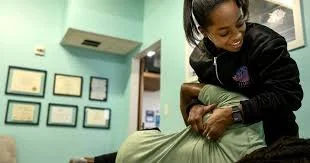
The Climber's Frustration: When Injuries Hold You Back
Climbing is not just a hobby. It is a lifestyle that requires strength, mobility, and precision. Injuries such as A2 pulley injuries, rotator cuff impingement, or golfer's elbow can disrupt your training and chip away at your progress over time.
The challenge is that many general physical therapy settings are not equipped to address the specific demands of rock climbing and bouldering. Short sessions, rotating staff, and generic protocols often leave climbers with temporary relief instead of lasting solutions. You deserve care that looks beyond basic function and toward your actual goals on the wall.
Climbing Injuries We Treat at Thrive with Dr. C
At Thrive with Dr. C, our provider has a focused area of expertise in treating climbers. That means your care is informed by a deep understanding of how climbing mechanics stress the body and what it takes to return to the sport safely.
Finger and Hand Injuries
Finger injuries are among the most common and most mismanaged injuries in the climbing community. The repetitive loading of crimps and slopers places enormous stress on the pulleys and tendons of the hand.
We treat:
A2 pulley injuries, the most frequently injured pulley in climbers, often felt as a sharp pop or pain at the base of the finger
A4 pulley injuries, which affect the middle segment of the finger and are less common but equally disruptive
Flexor tendonitis, an overuse condition affecting the tendons that control finger flexion
Lumbrical tears, involving the small lumbrical muscles of the hand that assist in finger movement and are vulnerable during asymmetric loading on the wall
Each of these conditions requires a diagnosis specific treatment plan rather than a one-size-fits-all approach. Misidentifying a pulley injury or undertreating a lumbrical tear can lead to prolonged recovery or reinjury.
Elbow Injuries in Climbers
Golfer's elbow, clinically known as medial epicondylitis, is a frequent complaint among climbers due to the sustained gripping and pulling demands of the sport. It presents as pain and tenderness along the inner elbow and can significantly limit your ability to train.
Left unaddressed, medial epicondylitis can become a chronic issue. Our approach combines hands-on treatment with loading management strategies to reduce strain on the medial elbow while maintaining as much activity as possible during recovery.
Shoulder Injuries in Climbers
Overhead movement is fundamental to climbing, and the shoulder bears a significant share of that load. Common shoulder injuries we treat include:
Rotator cuff tendonitis, an inflammatory condition affecting the tendons of the rotator cuff
Rotator cuff impingement, where tendons are compressed during overhead or reaching movements
Rotator cuff tears, which range from partial to full thickness and require careful, progressive rehabilitation
For climbers, shoulder injuries are often compounded by poor scapular control, limited thoracic mobility, or faulty movement patterns developed over years of training. Addressing these contributing factors is essential to a full and durable recovery.
Fall-Related Injuries
Falls are an unavoidable part of climbing, particularly in bouldering. We also treat the injuries that result from them, including ankle sprains, knee sprains, and fractures, applying the same structured, evidence-informed approach to get you back on the wall.
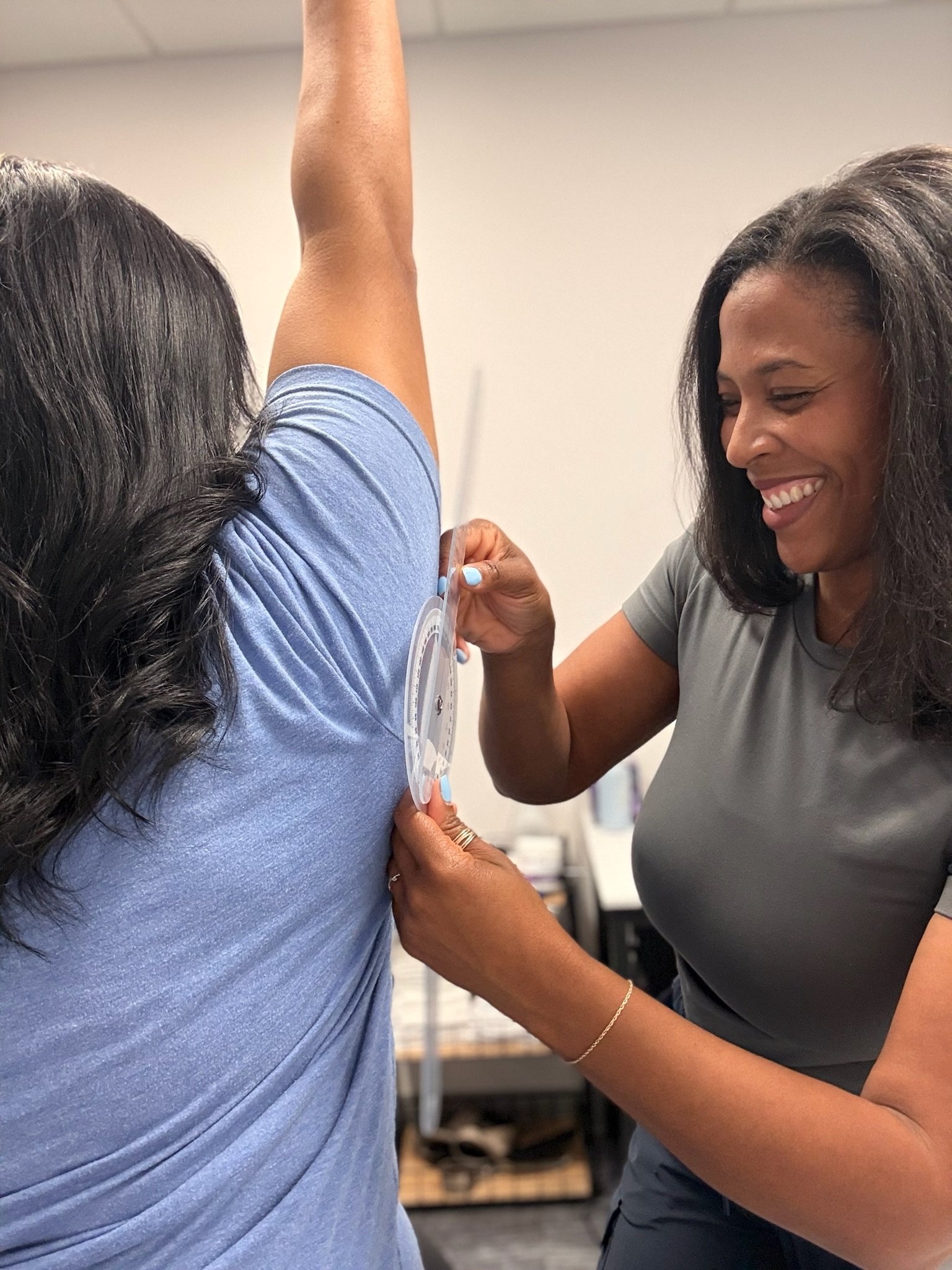
Our Treatment Approach: Built Around Your Climbing Goals
Biomechanical Analysis and Precision Assessment
Every plan at Thrive with Dr. C begins with a thorough evaluation. We use a Movement Screen to identify mobility restrictions, strength deficits, and movement patterns that may be contributing to your injury. Biomechanical analysis allows us to understand not just what is injured, but why it got injured in the first place.
This foundation is what separates performance-focused care from generic rehabilitation.
Diagnosis Specific Treatment Plans
Once we have a clear picture of your injury and your goals, we build a diagnosis specific treatment plan tailored to you. No two climbers are the same, and your plan will reflect your injury type, training history, and return-to-sport timeline.
Treatment may include:
Manual therapy techniques such as joint mobilization, myofascial release, soft tissue mobilization, and trigger point therapy
IASTM/Graston to address scar tissue and fascial restrictions in the fingers, forearm, and shoulder
Dry needling and massage therapy to reduce soft tissue tension and promote tissue healing
Therapeutic exercise targeting the specific strength and mobility demands of climbing
Neuromuscular re-education and balance and proprioception training to restore movement quality
Plyometrics and return-to-sport progressions to safely rebuild load tolerance before returning to full climbing
Breathwork and diaphragmatic training to support recovery and overall movement efficiency
Loading Management and Activity Modification
One of the most important and most overlooked aspects of climbing injury recovery is loading management. Completely stopping activity is rarely the right answer, but continuing to train without modification often makes things worse.
We work with you to develop an activity modification plan that keeps you as active as possible while protecting the injured tissue. This might mean adjusting your grip style, reducing volume on specific movement types, or temporarily shifting your training focus while the injury heals.
Regular Reassessment to Track Progress
Regular reassessment is built into every plan at Thrive with Dr. C. We track your progress at each stage of recovery, adjusting your program as your strength and function improve. This ensures your care stays aligned with where you are in the healing process and where you want to go.
One-on-One Care Designed for Climbers
Every session at Thrive with Dr. C is spent directly with Dr. C. No aides, no shared time, and no distractions. This level of focused attention allows for more precise treatment and a deeper understanding of your individual needs as a climber.
In Virginia, you also have direct access to physical therapy, meaning you can begin treatment without waiting on a physician referral.
Your Return to the Wall Starts Here
Whether you are managing an A2 pulley injury, recovering from a rotator cuff tear, or working through chronic flexor tendonitis, Thrive with Dr. C has the expertise to guide your recovery with a plan built specifically for climbers.
Our goal is not just to get you out of pain. It is to return you to rock climbing and bouldering with better movement, stronger tissue, and the knowledge to train smarter going forward.
Ready to get back on the wall? Start with a free 15-minute virtual discovery consultation to see how our Performance Physical Therapy program can be tailored to your climbing goals. Visit our Services page to learn more, explore our About Us page to meet Dr. C, or head to our Blog for more climbing recovery tips. You can also visit our homepage to get started today.
