
How Long Does Physical Therapy Take? A Guide to Recovery with Performance Physical Therapy in Arlington
Are you dealing with pain or an injury and wondering how long it will take to feel like yourself again? It is one of the most common questions people have when starting rehabilitation, and it is a completely valid one. The desire to return to your active lifestyle, free from discomfort, is natural. Recovery, however, is rarely a straight line.
At Thrive with Dr. C, we understand the frustration of being sidelined. Our approach to performance physical therapy goes beyond pain relief. We guide you through a personalized process designed to restore full function and build long-term resilience.
This guide breaks down what influences recovery timelines, what you can expect for common injuries, and how performance physical therapy in Arlington, VA can help you heal more efficiently and sustainably.
The Science of Healing: What Drives Your Recovery Timeline
Before setting expectations, it helps to understand what is actually happening inside your body during recovery. Healing is a biological process with its own rules, and while it cannot be forced, it can be optimized.
How Different Tissues Heal
Not all tissues recover at the same pace. Muscles, tendons, ligaments, and bones each move through distinct phases: inflammation, proliferation, and remodeling. A minor muscle strain may resolve in a few weeks because muscles have a rich blood supply. A chronic tendon condition like Achilles tendinopathy, on the other hand, can take several months because tendons receive far less blood flow and require progressive loading to heal properly.
Understanding this distinction helps set realistic expectations and informs how treatment should be structured from the start.
Individual Factors That Influence Recovery
Your biology is unique, and so is your recovery. Several personal factors shape how quickly you heal:
Age and overall health status
Sleep quality and consistency
Nutritional habits
Stress levels and lifestyle demands
The severity and chronicity of the injury
This is why a one-size-fits-all approach rarely works. At Thrive with Dr. C, every plan is built around your specific presentation, goals, and life circumstances, not a generic protocol.
How Thrive with Dr. C Approaches Performance Physical Therapy
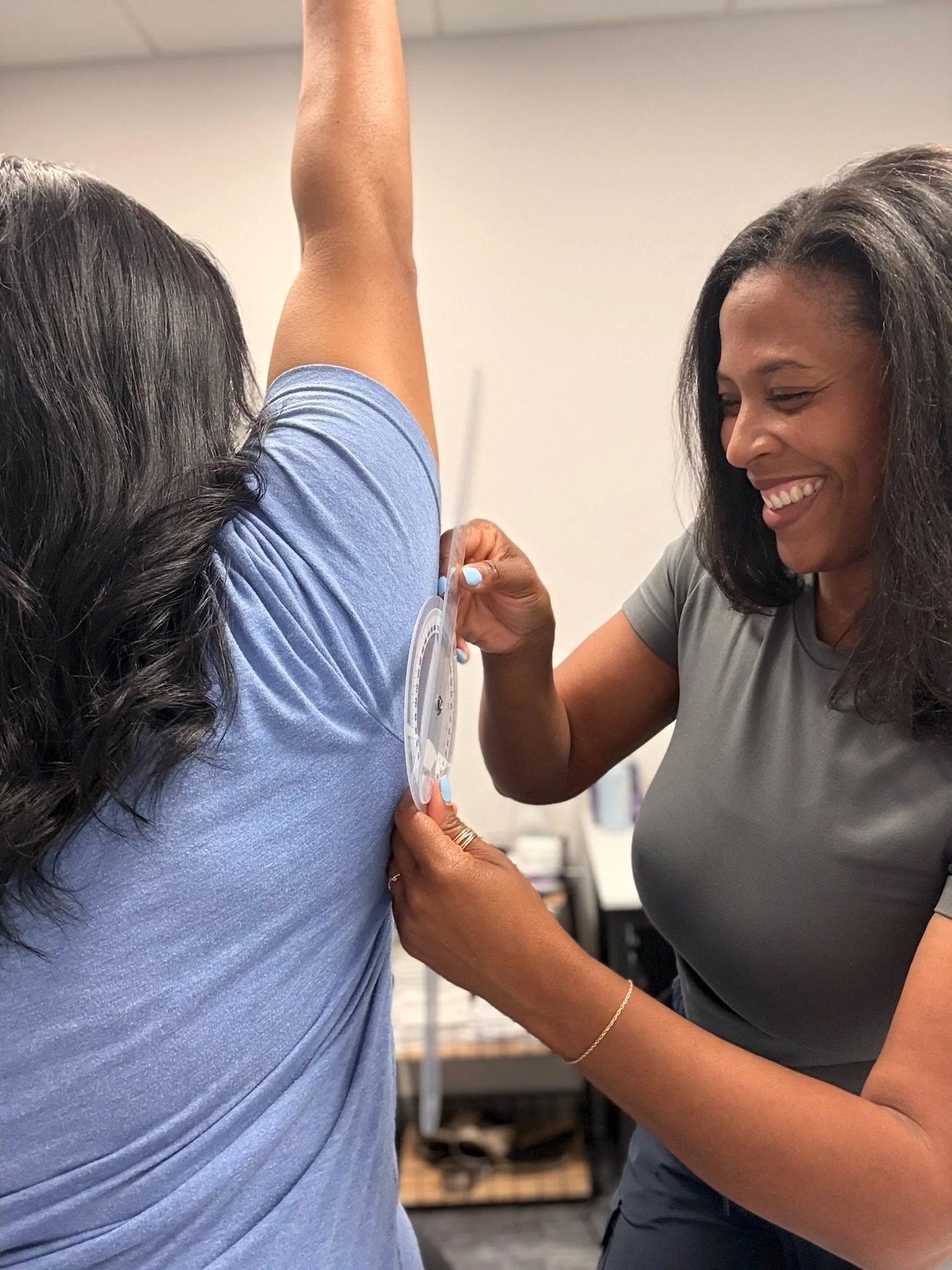
Thrive with Dr. C practices performance physical therapy, a comprehensive model that prioritizes restoring full function, not just reducing symptoms. The goal is to get you back to the activities you love, whether that is running, sport, yoga, or simply moving through daily life without pain, and to make you more resilient in the process.
Every session is one-on-one with Dr. C. There are no handoffs to support staff and no time spent on passive modalities that do not move you forward. Every minute of your appointment is directed toward your recovery goals.
The treatments and tools used at Thrive with Dr. C include:
Manual therapy, including joint mobilization and myofascial release, to restore mobility and reduce tissue restriction
Dry needling for trigger point release and pain modulation
Soft tissue mobilization and IASTM to address fascial and muscular restrictions
Therapeutic exercise and neuromuscular re-education to rebuild strength and movement quality
Running gait analysis and movement screens to identify the root cause of injury and correct contributing mechanics
Plyometrics and return-to-sport progressions for athletes working toward full performance
Because direct access is available, you do not need a physician referral to begin. Starting treatment sooner often shortens the overall duration of recovery.
Recovery Timelines for Common Conditions
While every case is different, the following general timelines reflect what is commonly seen in clinical practice. These are starting points, not guarantees, and your actual timeline will depend on the factors discussed above.
Acute Sprains and Strains
For injuries like anankle sprain or a mild hamstring strain, significant pain reduction often occurs within two to six weeks. A full return to sport or high-demand activity typically takes six to twelve weeks.
Early intervention matters here. Beginning performance physical therapy in Arlington, VA promptly helps prevent compensatory movement patterns and reduces the risk of chronic instability down the road.
Chronic Tendinopathies and Overuse Injuries
Tendons require a different approach. Progressive loading, not rest alone, is what drives tendon remodeling. Common conditions in this category include:
Runner's knee and IT band syndrome: Recovery typically spans four to twelve weeks, with a focus on hip and core strengthening, biomechanical corrections, and running form assessment
Achilles tendinopathy: Often requires eight to sixteen weeks of structured progressive loading
Tennis elbow and golfer's elbow: Timelines range from six to twelve weeks depending on severity and how long the condition has been present
Shoulder Conditions
Shoulder injuries vary widely in complexity. Rotator cuff pain and shoulder impingement often respond well within six to ten weeks when addressed with targeted manual therapy and progressive strengthening.Frozen shoulder is a longer process, frequently requiring three to six months of consistent treatment to restore full range of motion.

Spine and Back Pain
Low back pain and sciatica are among the most common reasons people seek physical therapy. Acute episodes often improve meaningfully within four to eight weeks. Chronic or recurring spine pain may require a longer commitment, with treatment focused on movement retraining, manual therapy, and building the strength and mobility needed to prevent recurrence.
The Role of Consistency in Your Recovery
The most effective treatment plan only works if it is followed consistently. At Thrive with Dr. C, you receive a clear roadmap from the start so you understand what is expected and what milestones to look for along the way.
The typical model involves weekly sessions with a natural taper as you progress and your body takes over more of the work. A well-designed home exercise program complements in-clinic care and keeps your recovery moving between appointments.
Consistency, combined with a plan that evolves as you improve, is what separates a full recovery from a partial one.
Your Path Forward Starts Now
There is no universal answer to how long physical therapy takes, but understanding the factors involved and committing to a personalized plan makes a meaningful difference in your outcome. At Thrive with Dr. C, the focus is on helping you recover fully and perform at your best, not just getting you out of pain.
If you are ready to take control of your recovery, schedule a free 15-minute virtual discovery call with Thrive with Dr. C to find the right plan for your goals.
